
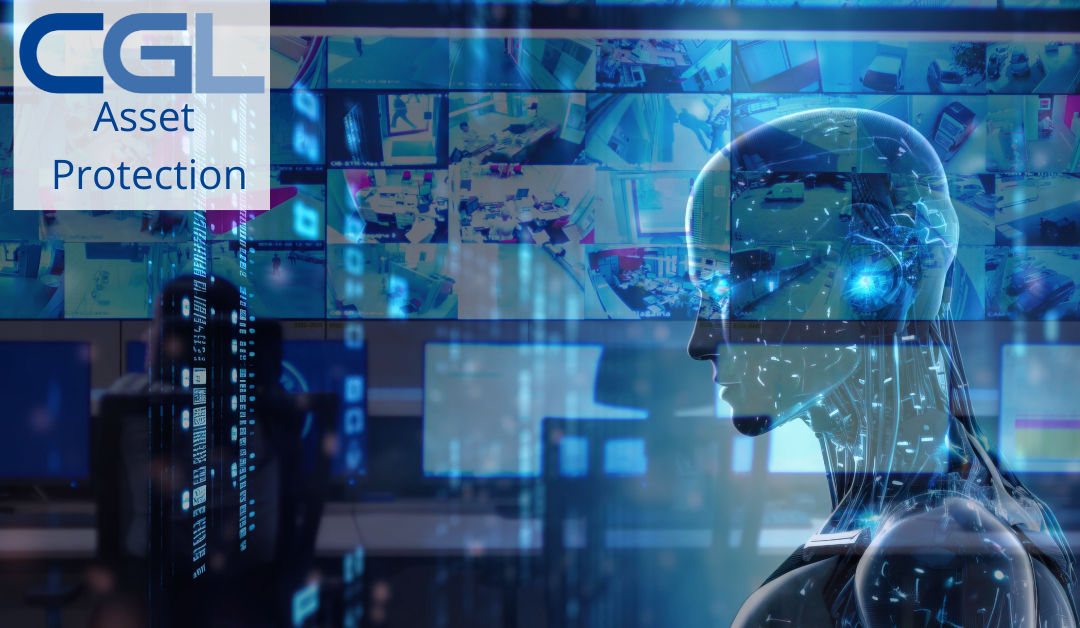
Security today looks very different from what it did even 10 years ago, underscoring how much the industry itself has progressed.
There was once a time when security systems were almost entirely manual:
- Cameras recorded footage, but someone had to review it later.
- Access control meant keys or very basic access technology.
- Alarms would go off, and teams had to investigate afterward to figure out what happened.
These systems worked, but they also had immense limitations. As environments became more technical and complex, the need for smarter, faster, and more connected security became increasingly apparent.
When Security Was Mostly Reactive
Before, security was mostly about reacting after something had already happened, rather than preventing it in real time. There was little proactivity within systems, and different systems didn’t really “talk” to each other. Most systems operated independently rather than as part of a connected setup, making them harder to manage. These difficulties included slower response times, increased pressure on their security teams, and limited real-time visibility across their facilities.
Over time, this made security not only time-consuming, but also inconsistent from one situation to another.
Moving Toward Connected Systems
As technology improved, security systems also evolved, moving beyond their earlier constraints.
Analog cameras were replaced with digital and IP-based systems. Access control became more flexible, allowing organizations to manage permissions, track activity, and make updates without being on-site. More importantly, systems began to connect, creating a more integrated security environment.
Video surveillance, access control, intrusion detection, and communication systems could now work together. This made it easier to monitor activity, respond quickly, and understand what was happening across a facility or multiple locations.
This shift helped organizations move from isolated systems to a more connected approach to security.
Smarter Technology, Better Awareness
In recent years, security has become more intelligent.
Instead of just recording or alerting, systems can now analyze information and recognize patterns. Video analytics can identify and point out unusual movement. Access control systems can flag abnormal behavior. Life safety solutions can detect environmental changes or sounds that may indicate a problem.
This added level of awareness helps security teams stay ahead of potential risks, while also reducing the need for constant manual monitoring. This development allows teams to focus on decision-making instead of watching screens all day.
The Rise of Autonomous Security
Today, we are beginning to see the next step in this evolution: autonomous security. Through this methodology, systems themselves can take on greater responsibility.
These systems are designed to do more on their own. They can detect, analyze, and respond in real time. Whether it’s triggering alerts, securing access points, or sending notifications, the system can act quickly and consistently without requiring constant human oversight.
With more autonomous features in place, teams can respond faster, catch fewer things that slip through the cracks, and maintain a more consistent level of security day to day. It also takes some of the pressure off internal teams, so they’re not constantly tied up monitoring or reacting to every alert. Another big advantage is how much easier it becomes to manage multiple locations, even as security needs grow.
Rather than replacing people, autonomous security simply makes their jobs easier and more effective.
Why the Right Approach Matters
Technology is always evolving, but what really makes a difference is how these systems are planned, designed, and put together. Every environment has its own challenges, so what works for a hospital won’t work for a school or a commercial building.
This is where working with an experienced integrator like CGL Electronic Security becomes important. With years of hands-on experience, CGL focuses on building systems that are advanced, reliable, scalable, and tailored to how each organization actually operates.
From access control and video surveillance to life safety and managed services, CGL helps create a connected system that works together smoothly and continues to perform over time.
Looking Ahead
Security will continue to evolve, and systems will become even more intelligent and connected. At the end of the day, however, the goal remains the same: to keep people, property, and operations safe.
For organizations still relying on older systems, this shift toward smarter, more autonomous security represents an opportunity to upgrade your technology and improve security management. With the right partner and the right approach, that transition can be both smooth and effective.
To learn more, visit the CGL website or contact me at mikem@cglsecurity.com.
Mike McGuirk
Executive Vice President
CGL Electronic Security
Copyright 2026
Disclaimer: A percentage of the text in this article may have been generated by or was used to help improve SEO, grammar, spelling, punctuation, and other writing aspects by AI, which is intended to be informative and helpful.